Journal Description
Women
Women
is an international, peer-reviewed, open access journal on women's medicine and healthcare published quarterly online by MDPI.
- Open Access— free for readers, with article processing charges (APC) paid by authors or their institutions.
- High Visibility: indexed within ESCI (Web of Science) and other databases.
- Journal Rank: JCR - Q2 (Womens Studies)
- Rapid Publication: manuscripts are peer-reviewed and a first decision is provided to authors approximately 16.6 days after submission; acceptance to publication is undertaken in 4.2 days (median values for papers published in this journal in the second half of 2025).
- Recognition of Reviewers: APC discount vouchers, optional signed peer review, and reviewer names published annually in the journal.
Impact Factor:
1.6 (2024);
5-Year Impact Factor:
1.6 (2024)
Latest Articles
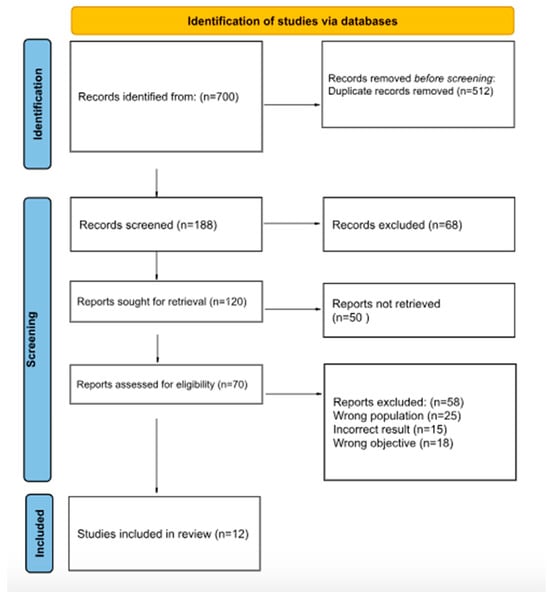
Racial Disparities in Respiratory Syncytial Virus Vaccination in Pregnant Black Women: A Rapid Literature Review
Women 2026, 6(2), 23; https://doi.org/10.3390/women6020023 - 24 Mar 2026
Abstract
►
Show Figures
Respiratory Syncytial Virus infection is a significant cause of morbidity and mortality in infants. Maternal vaccination with the bivalent vaccine Abrysvo® in the third trimester (24–36 weeks) is an effective strategy to prevent severe respiratory illnesses in newborns. However, the introduction of
[...] Read more.
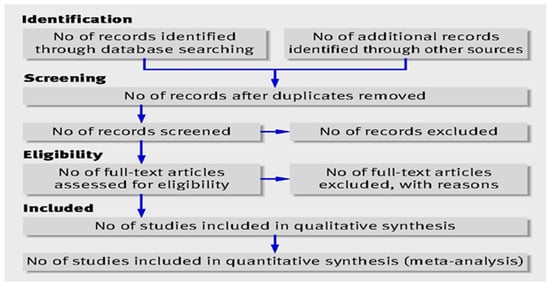
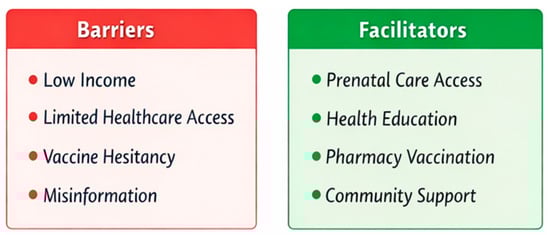
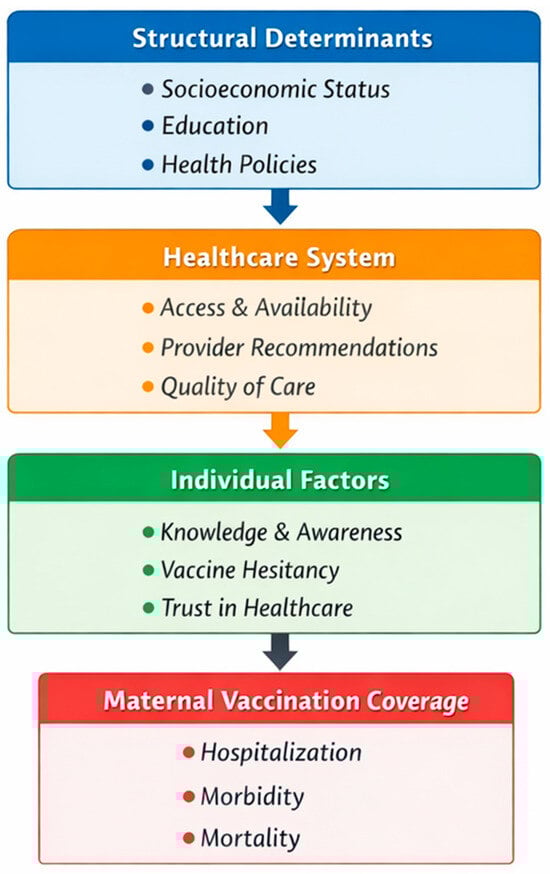
Respiratory Syncytial Virus infection is a significant cause of morbidity and mortality in infants. Maternal vaccination with the bivalent vaccine Abrysvo® in the third trimester (24–36 weeks) is an effective strategy to prevent severe respiratory illnesses in newborns. However, the introduction of this new technology faces structural obstacles that amplify inequalities. This rapid literature review sought to map and synthesize evidence on inequalities and inequities in adherence and accessibility to maternal vaccination among Black pregnant women. A rapid literature review was conducted using a mixed-methods approach (narrative synthesis and thematic analysis), following guidelines adapted from the Preferred Reporting Items for Systematic Reviews and Meta-Analyses and the Cochrane Handbook. The research question was structured using the acronym Population/Problem, Exposure, Comparison, and Outcome, focusing on Black pregnant women, maternal vaccination, comparison with other groups, and barriers/determinants. The search was conducted in databases such as PubMed (via Medical Literature Analysis and Retrieval System Online), Scopus and Literatura Latino-Americana e do Caribe em Ciências da Saúde, covering studies published between 2022 and 2025 that presented disaggregated analysis by race. The analysis and interpretation of the findings were guided by Critical Race Theory. The analysis of the twelve included studies (mainly from the United States, the United Kingdom, and Brazil) revealed systematic and robust disparities. Black pregnant women had lower vaccination coverage and were less likely to receive timely recommendations compared to White pregnant women. The barriers identified include: institutional distrust (resulting from structural racism), poor access to prenatal care, inadequate communication, and socioeconomic factors. Inequities are structural and multifactorial phenomena. To ensure that the benefits of the vaccine are distributed equitably, strategies such as anti-racist training for healthcare teams, active vaccination outreach, and continuous monitoring of data disaggregated by race are essential.
Full article
Open AccessArticle
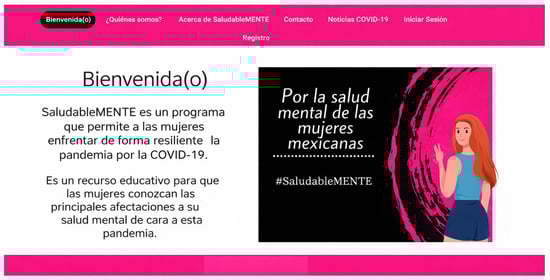
Web-Based Psycho-Emotional Support Platform for Women Affected by the COVID-19 Pandemic: A Pilot Study
by
Ana Leticia Becerra-Gálvez, Erick Alberto Medina Jiménez, Alejandro Pérez-Ortiz, América Genevra Franco Moreno, Sandra Angélica Anguiano Serrano, César Augusto de León Ricardi and Gabriela Ordaz Villegas
Women 2026, 6(1), 22; https://doi.org/10.3390/women6010022 - 20 Mar 2026
Abstract
►▼
Show Figures
During the COVID-19 pandemic, women have had to face different psychosocial problems. For this reason, psychoeducational interventions based on web-based resources have been developed to address their mental health. This study aimed to evaluate the pilot of a psycho-emotional support web platform based
[...] Read more.
During the COVID-19 pandemic, women have had to face different psychosocial problems. For this reason, psychoeducational interventions based on web-based resources have been developed to address their mental health. This study aimed to evaluate the pilot of a psycho-emotional support web platform based on elements of cognitive-behavioural therapy in Mexican women during the COVID-19 pandemic. Through a pre-experimental design with pre-test and post-test evaluations, 73 women between 18 and 68 years old (M = 43.42 years, SD = 12.40) had access to this platform for one month, which contained four thematic modules (stress, anxiety, depression and violence). They also received two complementary three-hour synchronous sessions. All participants reported similar levels of emotional symptoms (p > 0.05), as well as perceiving violence exerted by their partners (p > 0.05). The web platform and its psychoeducational content turned out to be quality informative resources; however, no statistically significant changes were observed in the psychological variables in question. Web platforms and emotional support applications should be developed according to the needs and characteristics of the population for which they are designed; this will promote greater satisfaction and reduce therapeutic abandonment.
Full article

Figure 1
Open AccessArticle
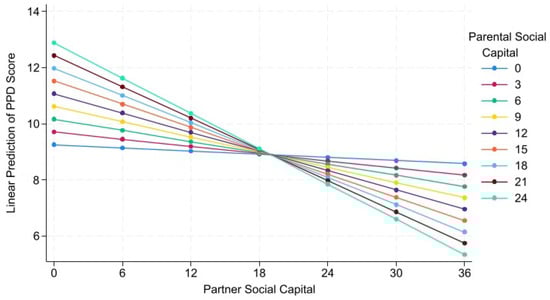
Social Support and Maternal Mental Health: Investigating How Social Capital Influences Postpartum Depression
by
Emily E. Pulsipher and Mikaela J. Dufur
Women 2026, 6(1), 21; https://doi.org/10.3390/women6010021 - 19 Mar 2026
Abstract
►▼
Show Figures
Social capital has been well established to have beneficial effects on a variety of behavioral, developmental, and health outcomes across the life course. In particular, social capital has been proven to be a protective factor benefiting health, particularly among young people. However, we
[...] Read more.
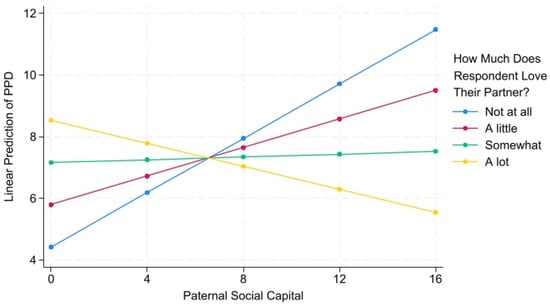
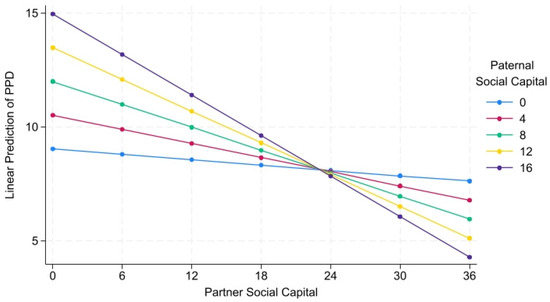
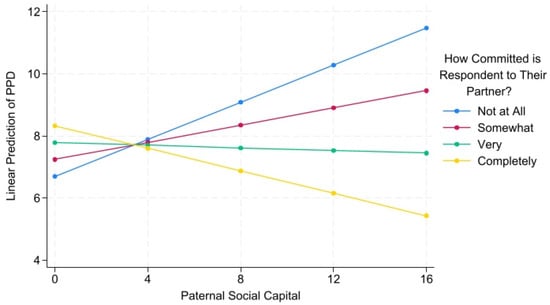
Social capital has been well established to have beneficial effects on a variety of behavioral, developmental, and health outcomes across the life course. In particular, social capital has been proven to be a protective factor benefiting health, particularly among young people. However, we know little about whether or how social capital might provide a protective effect against a very specific mental health challenge of young and mid-adult life: experiencing postpartum depression. Using linear regression models and restricted-use data from the National Study of Adolescent to Adult Health (five waves conducted beginning in 1995 when respondents were in grades 7–12 and following them into adulthood) on women who gave birth during early adulthood, and controlling for a variety of demographic factors (such as race, parental and partner social capital, SES), we aim to understand potential associations between social capital derived from families and romantic partners and postpartum depression symptomology. Our findings suggest the need for approaches that help pregnant women build and maintain key social connections and resources with fathers and partners.
Full article

Figure 1
Open AccessArticle
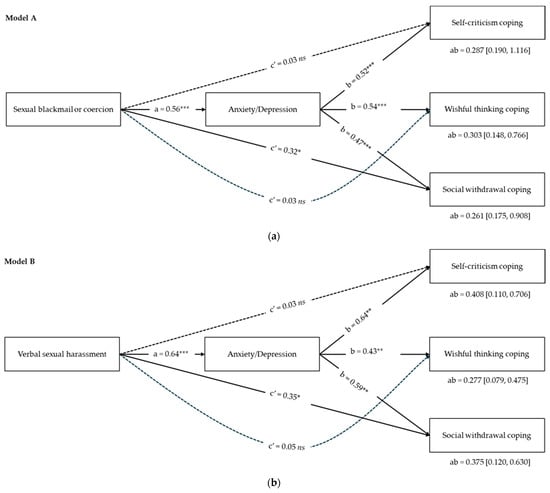
Sexual Harassment Among Women in Higher Education: Psychological Distress as a Mediator of Coping Strategies
by
Francisca Expósito, M. Dolores Sánchez-Hernández, Marta Badenes-Sastre, Ana M. Beltrán-Morillas and Laura Villanueva-Moya
Women 2026, 6(1), 20; https://doi.org/10.3390/women6010020 - 12 Mar 2026
Abstract
►▼
Show Figures
Sexual harassment remains a widespread issue in higher education, with serious consequences, especially for women within the university setting. In this research, we explored the mediating role of psychological distress in the link between sexual harassment and coping strategies among women in higher
[...] Read more.
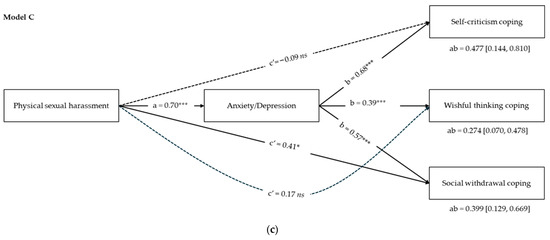
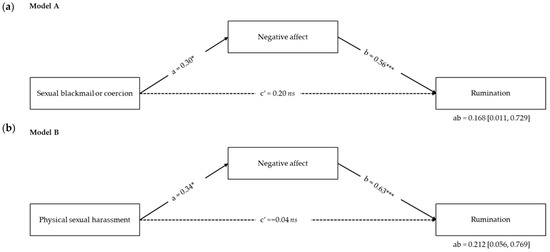
Sexual harassment remains a widespread issue in higher education, with serious consequences, especially for women within the university setting. In this research, we explored the mediating role of psychological distress in the link between sexual harassment and coping strategies among women in higher education. In total, 637 women from the university community participated in this study, of whom 100 were victims of sexual harassment at their university. In Study 1, sexual harassment was found to predict higher levels of anxiety and depression, which were in turn associated with greater use of coping strategies focused on self-criticism, wishful thinking, and social withdrawal. In Study 2, sexual harassment predicted increased negative affect, which was subsequently associated with a stronger reliance on rumination. Taken together, the findings could suggest that the psychological distress women experience due to sexual harassment may determine their coping strategies. These results underscore the importance of adopting institutional measures that not only address the psychological impact of sexual harassment but also promote more adaptive coping strategies to reduce its long-term impact on women in higher education.
Full article

Figure 1

Open AccessBrief Report
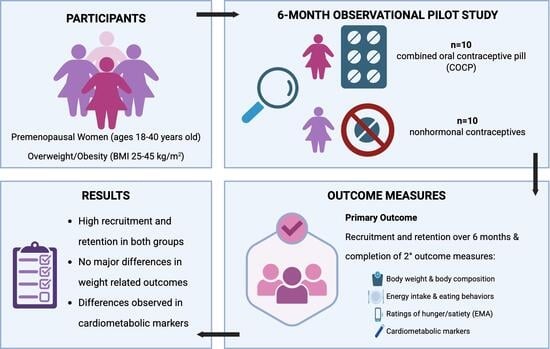
A Pilot and Feasibility Study of Combined Oral Contraceptive Pills and Metabolic Outcomes in Premenopausal Women with Overweight or Obesity
by
Adnin Zaman, Aaron Lazorwitz, Myla Strawderman, Hong Hong Liu, Sarah A. Tydings, Susan W. Groth, Victoria A. Catenacci and Elizabeth A. Thomas
Women 2026, 6(1), 19; https://doi.org/10.3390/women6010019 - 4 Mar 2026
Abstract
►▼
Show Figures
Combined oral contraceptive pills (COCPs) are commonly used by reproductive-aged women with overweight or obesity, but their metabolic effects remain understudied. This pilot study examined the feasibility of recruiting and retaining women with overweight or obesity initiating COCPs and evaluated changes in body
[...] Read more.
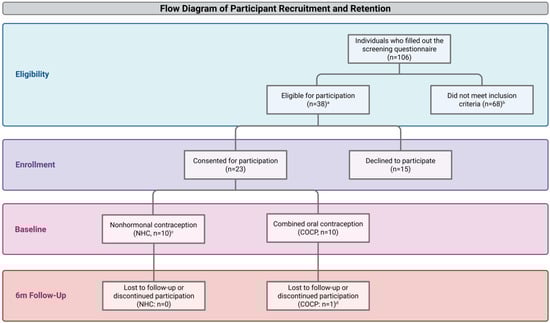
Combined oral contraceptive pills (COCPs) are commonly used by reproductive-aged women with overweight or obesity, but their metabolic effects remain understudied. This pilot study examined the feasibility of recruiting and retaining women with overweight or obesity initiating COCPs and evaluated changes in body weight, body composition, energy intake (EI), eating behaviors, and cardiometabolic markers. Premenopausal women aged 18–40 years with a body mass index between 25 and 45 kg/m2 initiating COCPs (n = 10) or using nonhormonal contraception (NHC; n = 10) were followed for six months. Outcome measures included body weight, body composition, EI, eating behavior questionnaires, ecological momentary assessment of appetite and satiety, and fasting laboratory measures. There were no between-group differences in changes in weight, EI, or appetite. Binge-eating severity decreased in COCP users and increased in NHC users, though the within-group change in COCP users was not statistically significant. Exploratory analyses demonstrated increases in hemoglobin A1c and triglycerides among COCP users compared to NHC users, while bioavailable testosterone decreased in COCP users only. This study demonstrates high retention and feasibility among women with overweight/obesity undergoing intensive dietary and metabolic monitoring. Although weight outcomes were similar between groups, these preliminary findings identify potential metabolic signals warranting confirmation in adequately powered studies.
Full article

Graphical abstract
Open AccessArticle
Evolution, Distribution and Prediction of Cervical Cancer Mortality in a Central Mexican State Using a Dynamic Model
by
Yolanda Terán-Figueroa, Darío Gaytán-Hernández, Omar Parra-Rodríguez, Carlos Daniel Coronado-Ruis, Sandra Olimpia Gutiérrez-Enríquez and Efraín Gaytán-Jiménez
Women 2026, 6(1), 18; https://doi.org/10.3390/women6010018 - 2 Mar 2026
Abstract
►▼
Show Figures
This study analyzes the evolution and spatial distribution of cervical cancer mortality. Furthermore, it develops a dynamic simulation model for estimating the evolution of the disease up to 2040. This manuscript details an ecological and retrospective study that analyzed official mortality, morbidity, and
[...] Read more.
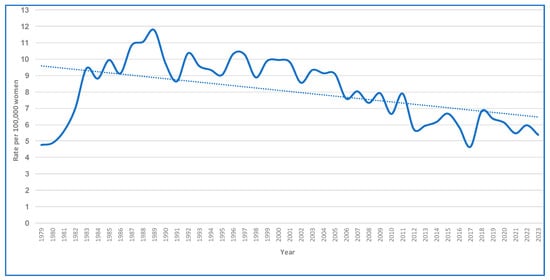
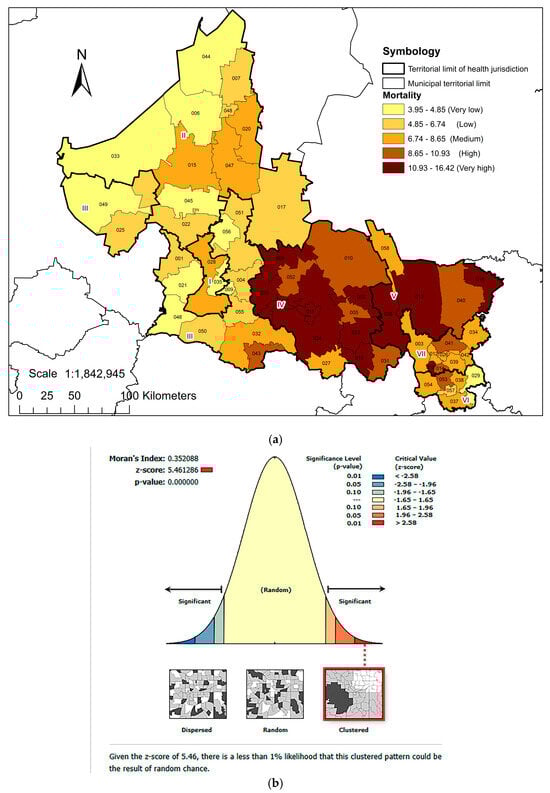
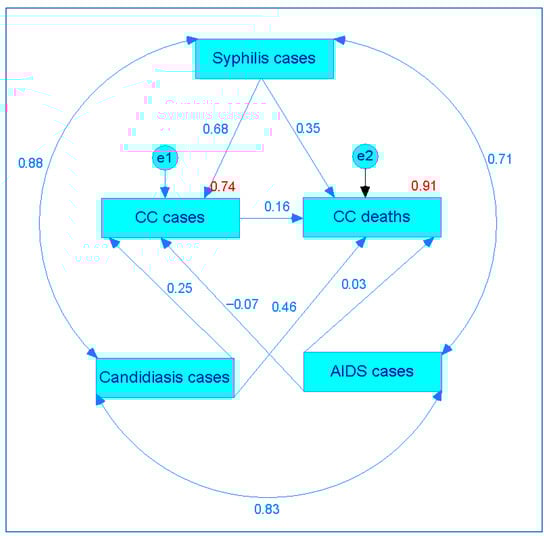
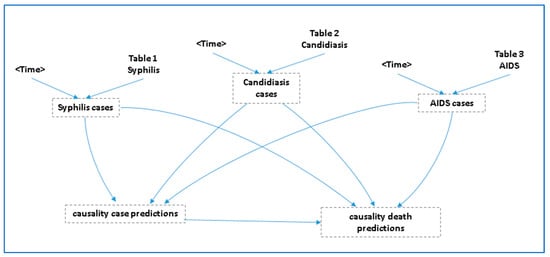
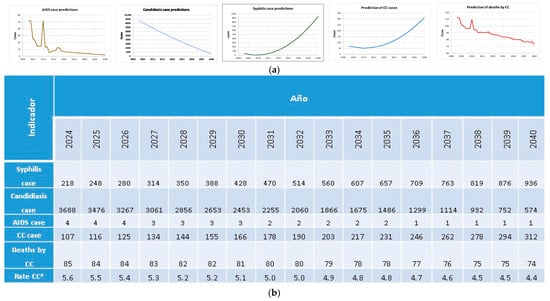
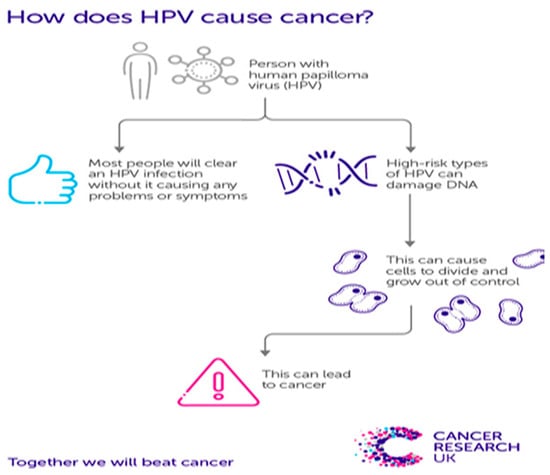
This study analyzes the evolution and spatial distribution of cervical cancer mortality. Furthermore, it develops a dynamic simulation model for estimating the evolution of the disease up to 2040. This manuscript details an ecological and retrospective study that analyzed official mortality, morbidity, and population data from the 58 municipalities that constitute the state of San Luis Potosi. We used Moran’s index, linear correlation, structural equation modeling, Excel predictions, and Vensim PLE x64 simulation software to conduct this study. The evolution of deaths from cervical cancer shows a downward trend; mortality follows a clustered distribution pattern, and it is not random. The structural model showed standardized regression coefficients of 0.68 between syphilis cases and cervical cancer cases, with a coefficient of 0.35 for deaths; candidiasis cases with cervical cancer at a coefficient of 0.25 and with deaths from the same disease at a coefficient of 0.46. The coefficients of determination for cervical cancer cases and deaths were 0.74 and 0.91, respectively. This shows that these co-infections—syphilis and candidiasis—are a risk factor for cervical cancer mortality. The estimated mortality rates per 100,000 inhabitants for 2025, 2030, 2035, and 2040 were 5.5, 5.1, 4.8, and 4.4, respectively. The prediction indicates an increase in the number of CC cases and deaths from this cause.
Full article

Figure 1
Open AccessReview
Metacognitive Dysfunction in Women with Eating Disorders: A Narrative Review
by
Fabiola Raffone, Serena Testa, Concetta Iaccarino, Miriam Olivola, Tommaso Barlattani, Domenico De Berardis, Francesca Pacitti and Vassilis Martiadis
Women 2026, 6(1), 17; https://doi.org/10.3390/women6010017 - 2 Mar 2026
Abstract
►▼
Show Figures
Eating disorders (EDs) disproportionately affect women and are associated with substantial morbidity, chronicity, and mortality. While established psychological models focus on the content of maladaptive cognitions related to body weight, shape, and eating behaviors, growing evidence suggests that additional process-level mechanisms contribute to
[...] Read more.
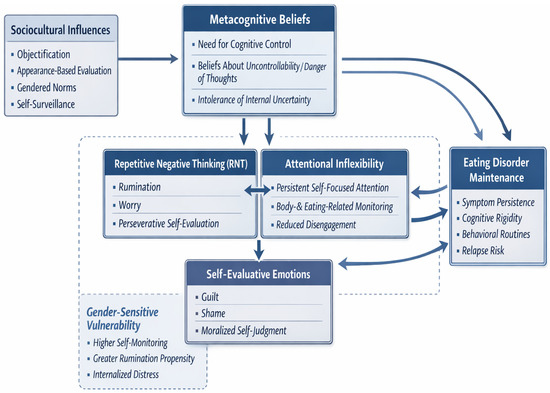
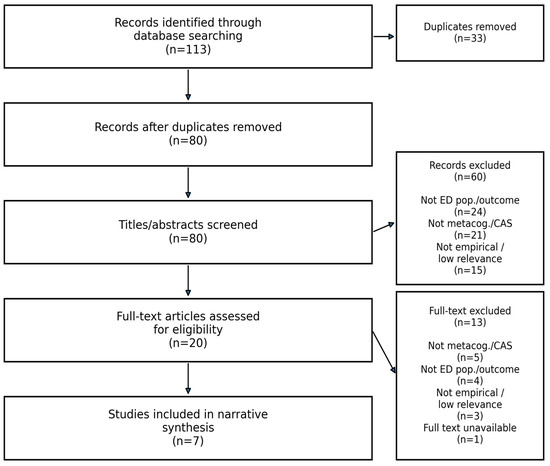
Eating disorders (EDs) disproportionately affect women and are associated with substantial morbidity, chronicity, and mortality. While established psychological models focus on the content of maladaptive cognitions related to body weight, shape, and eating behaviors, growing evidence suggests that additional process-level mechanisms contribute to symptom persistence and treatment resistance. Metacognitive models emphasize how individuals relate to their thoughts, emotions, and internal experiences, highlighting maladaptive beliefs about thinking and the resulting cognitive–attentional patterns (e.g., repetitive negative thinking, self-focused attention, and inflexible attentional control) as potential maintaining factors across psychopathology. This narrative review synthesizes the theoretical and empirical literature on metacognitive dysfunction in EDs, with a focus on mechanisms that may be particularly relevant for women. We integrate epidemiological data and gender-sensitive frameworks, and review evidence on metacognitive beliefs and cognitive–attentional syndrome (CAS)-related processes across anorexia nervosa, bulimia nervosa, and binge-eating disorder. Overall, studies indicate that dysfunctional beliefs about the uncontrollability and danger of thoughts, alongside perseverative cognitive styles, are associated with greater ED symptom severity. We discuss diagnosis-relevant patterns as clinically useful heuristics, interactions with sociocultural and emotional vulnerability factors, and implications for assessment, treatment integration, and prevention. The evidence base is largely correlational and derived from predominantly female samples, underscoring the need for longitudinal research and studies that explicitly test sex/gender as a moderator.
Full article

Figure 1

Open AccessArticle
Body Dissatisfaction and Eating Disorder Risk Indicators in Older Women: Associations with Medically Supervised Dietary Treatment
by
Patrizia Carmen Marruffi-Bonfante, Manuel Rosety-Rodríguez, Alberto Bable-Marruffi, Javier Choquet de Isla and Javier Riscart-López
Women 2026, 6(1), 16; https://doi.org/10.3390/women6010016 - 26 Feb 2026
Abstract
►▼
Show Figures
Body dissatisfaction and eating disorder (ED) risk indicators can persist into later life but are less frequently assessed in routine care for older women. Among women aged 50 years and older, attendance on dietary care pathways in clinical settings may offer a pragmatic
[...] Read more.
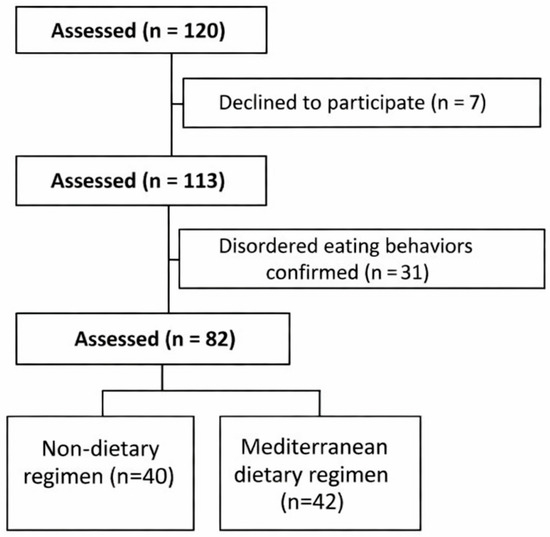
Body dissatisfaction and eating disorder (ED) risk indicators can persist into later life but are less frequently assessed in routine care for older women. Among women aged 50 years and older, attendance on dietary care pathways in clinical settings may offer a pragmatic opportunity for early identification (screening) of ED risk indicators and related psychological distress, particularly during the menopausal transition. Thus, the aim of this study was to compare body dissatisfaction and ED risk indicators in older women attending dietary treatment versus those not following a dietary regimen. This cross-sectional study compared women aged ≥50 years without a prior ED diagnosis who were receiving medically supervised dietary treatment (DTG; n = 42) with peers not following any dietary regimen (NDG; n = 40) in Cádiz (Spain). Participants completed the Eating Disorder Inventory-3 Referral Form (EDI-3RF), AF-5 Self-Concept Questionnaire, List of Brief Symptoms (LBS-50), and the International Physical Activity Questionnaire (IPAQ) and underwent anthropometric assessment. Compared with those women in the NDG, those in the DTG had a higher body mass index (p = 0.002), higher drive for thinness (p < 0.001) and body dissatisfaction (p < 0.001), lower physical self-concept (p = 0.001), and higher total EDI-3RF scores (p < 0.001). Based on the EDI-3RF, 11.9% of the DTG met clinical referral criteria versus none in the NDG (p = 0.031). These findings indicate that, in this sample of women aged ≥ 50 years, women attending dietary care pathways exhibited a higher ED risk profile, higher psychopathological symptom levels, and lower physical self-concept than women not following a dietary regimen. Given the cross-sectional design, results should be interpreted as associations and may reflect pre-existing differences among women who enter dietary care; nonetheless, dietary care pathways may represent a practical opportunity to incorporate brief screening for body image concerns and ED risk indicators in older women.
Full article

Figure 1

Open AccessArticle
Feminine Gender Norms Among Women with Eating Disorders: Findings from an Exploratory Pilot Study
by
Rosa M. Limiñana-Gras, María Patiño-Ortega, Paloma López-Hernández and Carmen M. Galvez-Sánchez
Women 2026, 6(1), 15; https://doi.org/10.3390/women6010015 - 24 Feb 2026
Abstract
Eating disorders are multifactorial mental health conditions that predominantly affect adolescent girls and young women and constitute a major public health concern due to their severe and often chronic impact on physical, psychological, and psychosocial functioning. Although existing research suggests that gender-related constructs
[...] Read more.
Eating disorders are multifactorial mental health conditions that predominantly affect adolescent girls and young women and constitute a major public health concern due to their severe and often chronic impact on physical, psychological, and psychosocial functioning. Although existing research suggests that gender-related constructs and traditional gender roles may be associated with the development and expression of eating disorders, empirical evidence using validated measures remains limited. Accordingly, the present study examines health-related variables from a gender-sensitive perspective in a clinical sample of women diagnosed with an eating disorder. Forty women aged 14 to 50 years completed an assessment protocol including measures of gender norms, eating disorder symptoms, mental health, and self-perceived overall health. Results indicated that poorer mental health and self-perceived overall health were significantly associated with higher levels of eating disorder symptomatology. In an exploratory hierarchical regression analysis, overall conformity to traditional feminine gender norms was associated with eating disorder symptomatology after accounting for health-related variables. Exploratory analyses of individual gender norm dimensions indicated that only a small number of associations remained statistically significant after applying a false discovery rate correction. In sum, within the limitations of a modest and heterogeneous clinical sample, the findings suggest that conformity to traditional feminine gender norms is associated with less favorable health indicators and greater eating disorder symptomatology among women with EDs. These results underscore the potential value of incorporating gender-informed perspectives into future research and clinical reflection, while highlighting the need for replication in larger and longitudinally designed studies.
Full article
Open AccessArticle
Physical Activity and Depressive Symptoms in Adult Women: A Cross-Sectional Study on the Mediating Role of Perceived Stress
by
Adrianna Maria Kosior-Lara, Jacek Wąsik, Małgorzata Kuchta and Dorota Ortenburger
Women 2026, 6(1), 14; https://doi.org/10.3390/women6010014 - 10 Feb 2026
Abstract
This cross-sectional study aimed to assess the relationship between the level of physical activity and the severity of depressive symptoms in adult women, taking into account the mediating role of perceived stress and differences in this relationship across levels of depressive symptom severity.
[...] Read more.
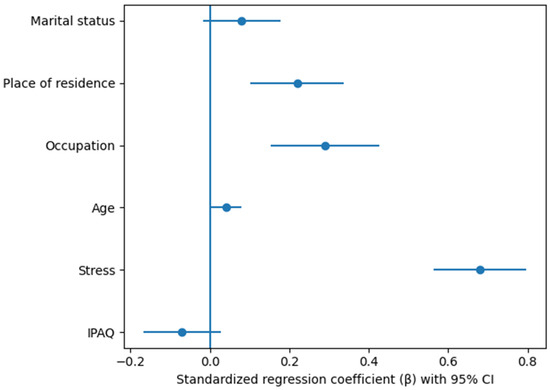
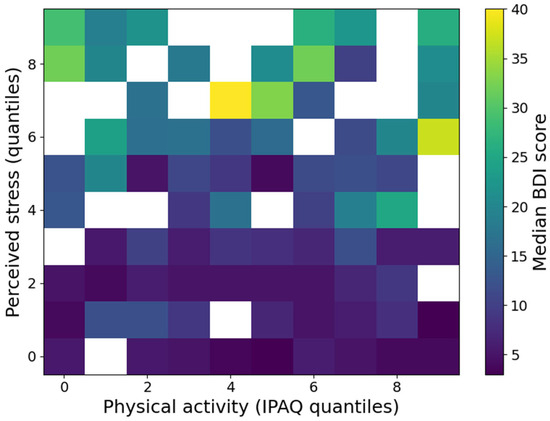
This cross-sectional study aimed to assess the relationship between the level of physical activity and the severity of depressive symptoms in adult women, taking into account the mediating role of perceived stress and differences in this relationship across levels of depressive symptom severity. The study included 200 women aged 18–65 years. Physical activity was assessed using the International Physical Activity Questionnaire (IPAQ), depressive symptom severity was measured with the Beck Depression Inventory (BDI), and perceived stress was evaluated using a standardized stress scale. Descriptive statistics, non-parametric tests, hierarchical regression, mediation analysis with bootstrapping, and quantile regression (Q25, Q50, Q75) were applied, controlling for selected sociodemographic variables. The results showed that perceived stress was the strongest predictor of depressive symptom severity. Physical activity was not a significant independent predictor of depression after adjustment for stress; however, it demonstrated a significant indirect effect through stress reduction. Quantile regression analysis revealed that the protective effect of physical activity was more pronounced in the lower and middle quantiles of depressive symptom severity and attenuated at higher levels of severity. These findings indicate that the relationship between physical activity and depressive symptoms is predominantly indirect and conditional, supporting the integration of physical activity promotion with stress-reduction–focused interventions.
Full article
(This article belongs to the Special Issue Women’s Mental Health—in Honor of Prof. Mary Seeman)
►▼
Show Figures

Figure 1
Open AccessArticle
Maternal Education and Its Association with Dietary Diversity and Pregnancy and Breastfeeding Practices in Rural Madagascar
by
Rosita Rotella, José M. Soriano, Isabel Peraita-Costa, Agustín Llopis-González and María Morales-Suarez-Varela
Women 2026, 6(1), 13; https://doi.org/10.3390/women6010013 - 5 Feb 2026
Abstract
This study aimed to assess maternal health profiles related to diet, pregnancy, and breastfeeding practices among 437 mothers with children under 24 months in a rural village in Madagascar, and to examine their association with maternal educational attainment using interviews and anthropometric data.
[...] Read more.
This study aimed to assess maternal health profiles related to diet, pregnancy, and breastfeeding practices among 437 mothers with children under 24 months in a rural village in Madagascar, and to examine their association with maternal educational attainment using interviews and anthropometric data. Bivariate statistical analyses were performed to explore associations between maternal education level and all studied variables. Multivariate analyses were also conducted but did not yield reliable results and are therefore not presented. The findings showed that higher maternal education was strongly associated with better socioeconomic conditions; improved access to essential resources like food, clean water, and healthcare facilities; and greater dietary diversity. More educated women reported consuming a wider range of foods, reflecting better nutritional quality and potential benefits for maternal health. In contrast, education level did not significantly affect pregnancy-related care or breastfeeding practices as recommended by the WHO. This suggests that while education enhances women’s ability to access and choose nutritious diets, broader cultural or systemic factors may shape maternal care behaviors. Women with higher educational attainment had greater access to diverse and sufficient diets, which may contribute to improved maternal nutritional status. Sustainable interventions aimed at improving women’s education and nutritional literacy are needed to support informed dietary choices and improve maternal and child health outcomes.
Full article
Open AccessReview
Women with Endometriosis: A Narrative Review of Adiposity and Metabolic Function from a Biopsychosocial and Intersectional Perspective
by
Carmen M. Galvez-Sánchez, Julio A. Camacho-Ruiz, Ana M. Contreras-Merino and Rosa M. Limiñana-Gras
Women 2026, 6(1), 12; https://doi.org/10.3390/women6010012 - 2 Feb 2026
Abstract
►▼
Show Figures
Endometriosis is a chronic inflammatory disorder affecting about 190 million women of reproductive age worldwide. It represents a major health challenge due to its broad impact on physical, reproductive, and psychological well-being and is clinically characterized by pelvic pain, menstrual irregularities, and infertility.
[...] Read more.
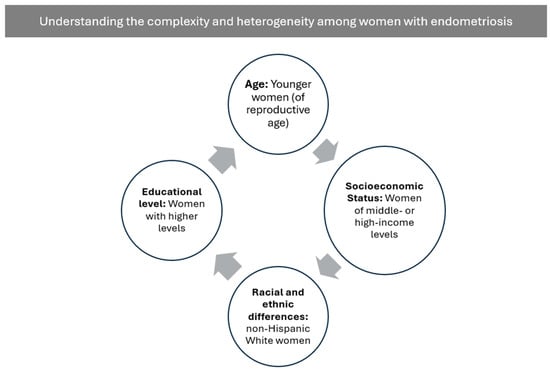
Endometriosis is a chronic inflammatory disorder affecting about 190 million women of reproductive age worldwide. It represents a major health challenge due to its broad impact on physical, reproductive, and psychological well-being and is clinically characterized by pelvic pain, menstrual irregularities, and infertility. This narrative review synthesized current evidence on the relationship between adiposity, metabolic and inflammatory markers, and endometriosis from a biopsychosocial and intersectional perspective. A comprehensive search was conducted in PubMed, Scopus, and Web of Science for peer-reviewed studies published in English over the past decade.: Results pointed out that endometriosis significantly affects inflammatory activity within adipose tissue, especially in visceral adipose tissue. Studies also reported reduced adipocyte size and altered adipose tissue function. The endometriosis cytokine profile exhibited a pattern of systemic and tissue-specific inflammatory activation (i.e., elevated levels of interleukin-6 and monocyte chemoattractant protein-1). Sociodemographic factors (i.e., age, race/ethnicity, socioeconomic status, and educational level) also play a significant role in differences in symptomatology, disease course, and healthcare access. To sum up, endometriosis need to be considered as a multisystem condition related to metabolic, inflammatory, and psychosocial factors. It is necessary to adopt a biopsychosocial and intersectional perspective to improve diagnosis and support more equitable and personalized therapeutic approaches.
Full article

Figure 1

Open AccessReview
Aromatherapy in Women’s Mental Health: A Narrative Review on Anxiety, Depression, and Stress Management
by
Sara Diogo Gonçalves, Verónica Esteves, Rita S. Matos and Ana Caramelo
Women 2026, 6(1), 11; https://doi.org/10.3390/women6010011 - 2 Feb 2026
Abstract
►▼
Show Figures
Aromatherapy, the therapeutic use of essential oils, is increasingly recognized as a complementary approach to women’s mental health, particularly during hormonally sensitive life stages such as menstruation, pregnancy, postpartum, and menopause. Concerns about the side effects of pharmacological treatments during these periods have
[...] Read more.
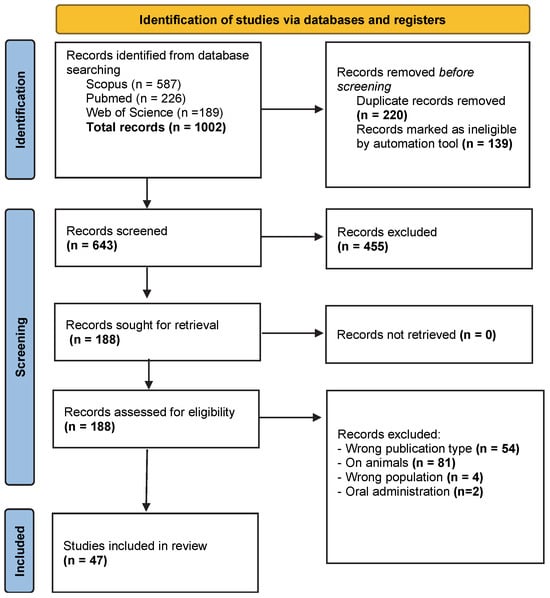
Aromatherapy, the therapeutic use of essential oils, is increasingly recognized as a complementary approach to women’s mental health, particularly during hormonally sensitive life stages such as menstruation, pregnancy, postpartum, and menopause. Concerns about the side effects of pharmacological treatments during these periods have driven interest in non-pharmacologic interventions. This narrative review synthesizes current clinical evidence on the efficacy of aromatherapy in alleviating psychological distress in women. A comprehensive literature review between 2000 and 2025 across PubMed, Scopus, and Web of Science databases identified 47 studies focusing on essential oils for anxiety, depression, or stress in female populations. The most substantial evidence supports the use of lavender, bergamot, rose, chamomile, clary sage, and ylang-ylang, with inhalation and massage as the most frequently studied delivery methods. Outcomes include reductions in cortisol, heart rate, and subjective stress, along with improvements in mood and emotional regulation. Aromatherapy demonstrates particular promise in postpartum and perimenopausal care. However, methodological heterogeneity and variability in oil composition limit generalizability. Despite these challenges, the evidence suggests that aromatherapy may serve as a safe, low-cost adjunct for managing mood disorders and stress in women, particularly when integrated into personalized, holistic care strategies.
Full article

Figure 1
Open AccessArticle
Low Molecular Weight Hyaluronic Acid Combined with Six Amino Acids for Female Genital Well-Being: A Multicenter Prospective Pilot Study
by
Elena Fasola, Ursula Mirastschijski, Andeera Abu Innab, Agnieszka Nalewczynska, Maria Czapiga, Dhouha Dridi, Giorgio Reggiardo, Eleonora Perrella and Cosimo Oliva
Women 2026, 6(1), 10; https://doi.org/10.3390/women6010010 - 2 Feb 2026
Abstract
►▼
Show Figures
Genitourinary syndrome of menopause (GSM), which includes vulvovaginal atrophy (VVA) and other bothersome genitourinary symptoms, affects over half of postmenopausal women and has a considerable impact on quality of life. This study aimed to evaluate the efficacy and safety of an injectable combination
[...] Read more.
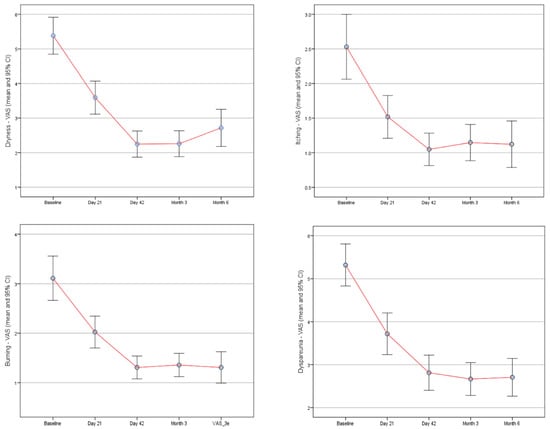
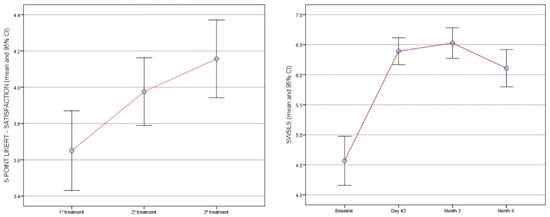
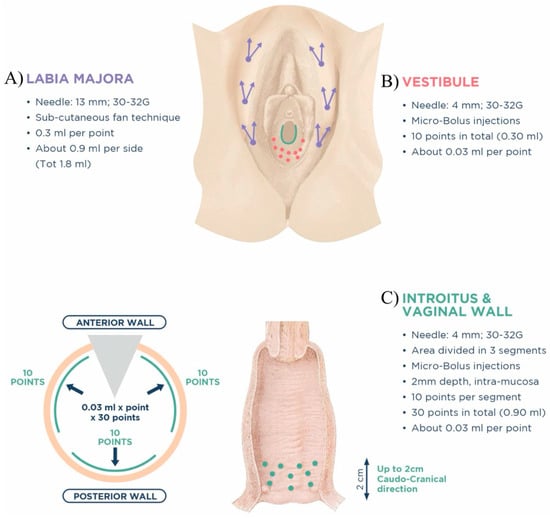
Genitourinary syndrome of menopause (GSM), which includes vulvovaginal atrophy (VVA) and other bothersome genitourinary symptoms, affects over half of postmenopausal women and has a considerable impact on quality of life. This study aimed to evaluate the efficacy and safety of an injectable combination of hyaluronic acid and amino acids for treating GSM-related symptoms. In this prospective, multicenter study, 84 women aged 46–60 with moderate to severe VVA confirmed by gynecological examination received three intradermal treatments at 21-day intervals, targeting the vestibule, introitus, lower vaginal wall, and labia majora. Symptom severity was assessed using a visual analog scale (VAS), while tolerability and satisfaction were evaluated via a five-point Likert scale. Quality of life was measured using the Satisfaction With Life Scale (SWLS). Assessments were conducted at baseline, after each injection, and at 3- and 6-month follow-up visits. After three months, significant improvements were noted in vaginal dryness, itching, burning, and dyspareunia (all p < 0.001). Patient satisfaction increased from 59.0% to 80.7%, and SWLS scores rose from 4.57 ± 1.76 to 6.53 ± 1.10, reflecting enhanced quality of life. The treatment was well tolerated and demonstrated a favorable safety profile. These findings suggest that this injectable formulation may represent an effective, non-hormonal option for women with VVA, particularly those who are not candidates for hormone therapy.
Full article

Figure 1

Open AccessReview
Assessing Attitudes, Knowledge, and Practice of Cervical Cancer Screening Among Women Attending a Primary Health Care Setting in South Africa: A Review
by
Lucky Norah Katende-Kyenda
Women 2026, 6(1), 9; https://doi.org/10.3390/women6010009 - 21 Jan 2026
Abstract
►▼
Show Figures
Cervical cancer remains the main etiology of high morbidity and mortality among women in developing world despite the screening plans. In South Africa, screening policies are low. Attitude, knowledge, and practices (AKP) play a pivotal role in diagnosis, prevention and screening. The review
[...] Read more.
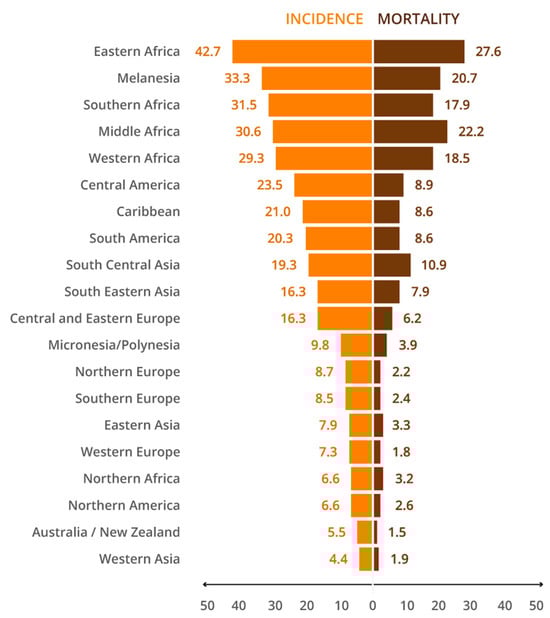
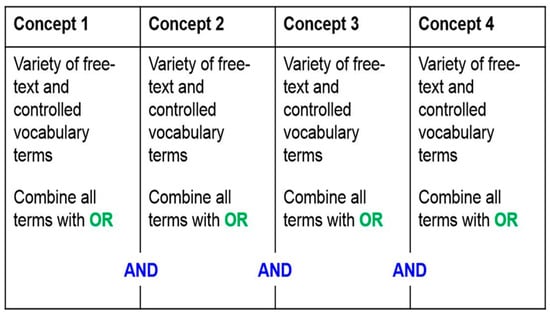
Cervical cancer remains the main etiology of high morbidity and mortality among women in developing world despite the screening plans. In South Africa, screening policies are low. Attitude, knowledge, and practices (AKP) play a pivotal role in diagnosis, prevention and screening. The review explores AKP towards cervical cancer and screening including global and regional burden, and determinants of screening uptake. Previous empirical studies identifying factors influencing adherence to screening services were identified. Studies from 2020–2025 were searched using PubMed and Google databases. Identified terms and topics were combined using Boolean Operators and PRISMA guidelines. Keywords were “attitudes”, “knowledge”, “practice”, “current cervical cancer screening”, AND “South Africa”, “global”, “regional”, “burden”, “cervical cancer”, “screening uptake determinants ” and “cervical cancer screening”, “factors influencing adherence”, and “cervical cancer screening”, “practices and pap smear tests”, “strengths”, “limitations”, “future research”, AND (“cervical cancer screening”). Key findings: many women know cervical cancer or Pap smears but lack detailed knowledge about risk factors and screening protocols, actual Pap smear uptake is low. Fear of outcome of procedure, pain, or embarrassment are primary barriers, and lack of service access. A multidisciplinary approach involving healthcare providers, government and non-governmental organizations is crucial in addressing gaps in cervical cancer screening.
Full article

Figure 1
Open AccessReview
Examining the Pharmacologic and Holistic Treatments for Menopause Symptoms in Black Women: A Scoping Review
by
Hasina Amanzai, Kristina Kokorelias, Belize Beltrano, Emma Hannem, Jessica Pinney, Lily Zeng, Kateryna Metersky, Stephanie Nishi, Angelina Stafford and Juilett Saunders Hill
Women 2026, 6(1), 8; https://doi.org/10.3390/women6010008 - 20 Jan 2026
Abstract
►▼
Show Figures
African American (AA) women often experience earlier onset and more severe menopause symptoms, especially vasomotor symptoms (VMSs) like hot flashes, compared to other groups. However, limited research has examined the effectiveness and acceptability of menopause treatments in this population. This scoping review synthesized
[...] Read more.
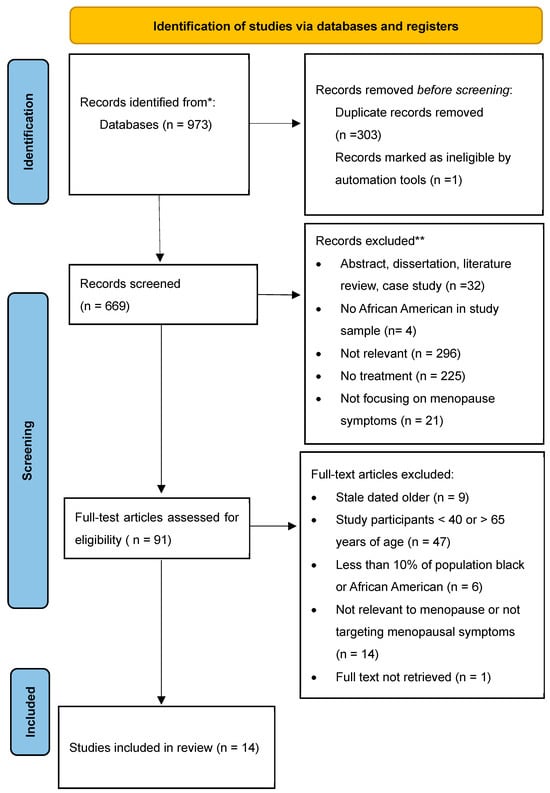
African American (AA) women often experience earlier onset and more severe menopause symptoms, especially vasomotor symptoms (VMSs) like hot flashes, compared to other groups. However, limited research has examined the effectiveness and acceptability of menopause treatments in this population. This scoping review synthesized evidence on pharmacological (e.g., hormone replacement therapy [HRT], SSRIs, venlafaxine, nitroglycerin) and holistic (e.g., dietary changes, physical activity [PA], supplementation) approaches for managing menopause symptoms in AA women. Using Joanna Briggs Institute and PRISMA-ScR guidelines, a scoping review was conducted, guided by the PCC framework. Four databases (CINAHL, PsycInfo, PubMed, Scopus) were searched for English-language studies (2010–2025) involving AA women aged 40–65. Eligible studies included RCTs and observational designs with ≥10% AA participants. Data were charted and synthesized descriptively. Fourteen U.S.-based studies (11–53% AA representation) were included. Pharmacological treatments—especially HRT and SSRIs—were effective for VMSs and mood symptoms. Holistic approaches showed mixed outcomes; PA and magnesium offered modest benefit, while phytoestrogens sometimes worsened memory. Race-specific results were rarely reported. Effective pharmacological options exist, but evidence tailored to AA women is lacking. Future research must ensure greater AA representation and culturally responsive approaches to menopause care.
Full article

Figure A1
Open AccessArticle
Scope of the Policy for Early Detection of Breast Cancer in Brazil: A Cross-Sectional Study
by
Isabella Ferreira de Souza, Janaina Pereira Dina Toreli, César Eduardo Fernandes, Luiz Vinicius de Alcantara Sousa, Glaucia Luciano da Veiga, Beatriz Alves, Edimar Cristiano Pereira and Fernando Luiz Affonso Fonseca
Women 2026, 6(1), 7; https://doi.org/10.3390/women6010007 - 12 Jan 2026
Abstract
►▼
Show Figures
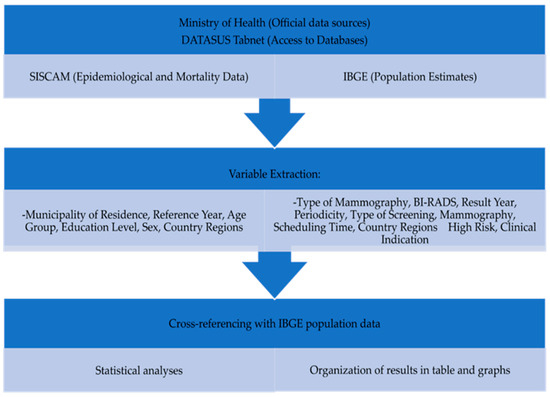
This study discusses the challenges encountered in breast cancer screening coverage in Brazil. The aim was to verify mammography coverage in Brazil. A cross-sectional study was carried out using data provided by the Ministry of Health verifying the following information: method of detection,
[...] Read more.
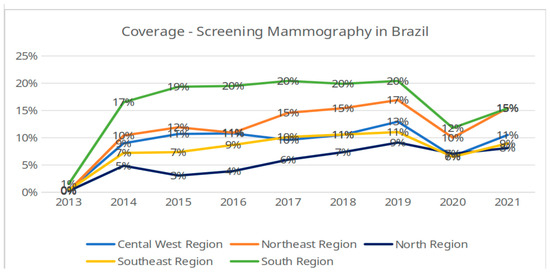
This study discusses the challenges encountered in breast cancer screening coverage in Brazil. The aim was to verify mammography coverage in Brazil. A cross-sectional study was carried out using data provided by the Ministry of Health verifying the following information: method of detection, analysis of coverage, clinical and sociodemographic variables of breast cancer. We observed significant differences in the number of mammograms performed between Brazilian regions and between levels of education, which may be determining factors for adherence to the examination, as well as differences related to the collection period analyzed. Raising awareness among the population about the importance of mammography and training health professionals are fundamental to increasing coverage. It is necessary to invest in awareness-raising strategies and in a health care network prepared to welcome women with suspicious signs and symptoms, ensuring investigation and treatment.
Full article

Figure 1
Open AccessHypothesis
A Theoretical Approach to Improving Physical Activity During Pregnancy with Co-Participation and the Application of Social Support Theory
by
Kallie Nowell, Deirdre Dlugonski, Emily DeFranco, Linda May and Johanna M. Hoch
Women 2026, 6(1), 6; https://doi.org/10.3390/women6010006 - 12 Jan 2026
Abstract
►▼
Show Figures
Despite the many benefits for both the mother and fetus of physical activity during pregnancy, only 12.7–37.8% of pregnant persons in the United States achieve the recommended 150 min of moderate-intensity physical activity per week. While many variables influence physical activity participation during
[...] Read more.
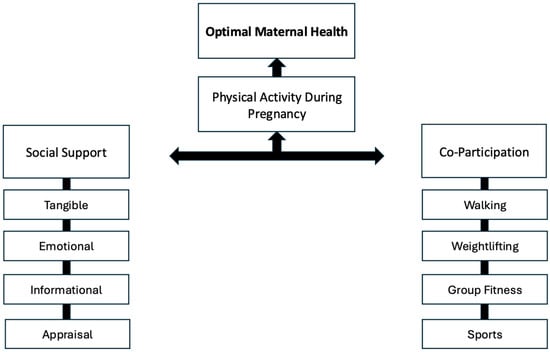
Despite the many benefits for both the mother and fetus of physical activity during pregnancy, only 12.7–37.8% of pregnant persons in the United States achieve the recommended 150 min of moderate-intensity physical activity per week. While many variables influence physical activity participation during pregnancy, social support has been associated with physical activity participation in various populations. Originally used in the study of criminology, the social support theory has been applied in recent evidence as a method of promoting physical activity and other healthy behaviors. Recent literature suggests that social support and co-participation are interpersonal facilitators of participation in physical activity. Therefore, we propose an integrated model through a combination of social support and co-participation in physical activity to increase physical activity during pregnancy: the SsCo-PAP Model. The practical advantage of this combination is that both social support and co-participation emphasize social connectedness to facilitate physical activity. We recommend that the model be utilized by clinicians to educate, encourage, and support their patients to be physically active during their pregnancy. Future research should analyze the feasibility and effectiveness of using the SsCo-PAP Model in clinical practice.
Full article

Figure 1
Open AccessArticle
Redefining Self After Mastectomy: Exploring the Psychological and Emotional Adaptation of Women During the Post Mastectomy Period at Mankweng Tertiary Hospital in Limpopo Province, South Africa
by
Desmond Mnisi, G. Olivia Sumbane, T. Maria Mothiba and L. Winter Mokhwelepa
Women 2026, 6(1), 5; https://doi.org/10.3390/women6010005 - 7 Jan 2026
Abstract
Mastectomy, while a life-saving intervention for breast cancer, often leads to profound psychological and emotional challenges for affected women. Feelings of loss altered body image, and anxiety about recurrence can significantly impact mental well-being. This study aimed to explore and describe the experiences
[...] Read more.
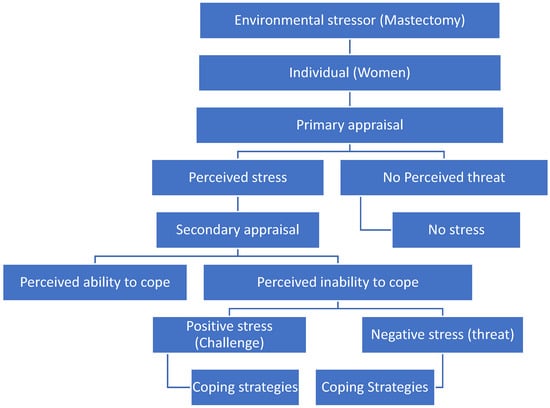
Mastectomy, while a life-saving intervention for breast cancer, often leads to profound psychological and emotional challenges for affected women. Feelings of loss altered body image, and anxiety about recurrence can significantly impact mental well-being. This study aimed to explore and describe the experiences of women after mastectomy at Mankweng Tertiary Hospital in Limpopo Province, South Africa. In this study, a qualitative phenomenological design was used. Data were collected through semi-structured in-depth interviews with women who had undergone mastectomy. Fifteen participants were purposively sampled, and thematic analysis was used to identify key patterns and meanings in their narratives. The findings revealed that the participants initially described feelings of being ‘disabled’, incomplete, and anxious about cancer recurrence or their ability to perform maternal functions such as breastfeeding. However, over time, many developed resilience and acceptance, seeing surgery as a life-saving measure and an opportunity for renewal. The adjustment of women after mastectomy is a complicated emotional transition from crisis and loss to adjustment and empowerment. The results identify the need for holistic psychosocial support that combines counseling, peer networks, and education for their family members addressing their emotional healing, body image, and social reintegration.
Full article
(This article belongs to the Special Issue Breast Cancer: Causes and Prevention)
►▼
Show Figures

Figure 1
Open AccessArticle
Joint Influence of Age at Menopause and Hormone Therapy on Postmenopausal Hypertension Risk: NHANES 2011–2020
by
Rachel-Paige Casey, Lindsey Borgia, Elizabeth Steinbach, Bassam Dahman, Catherine T. Witkop, Krista B. Highland, James D. Mancuso and Anwar E. Ahmed
Women 2026, 6(1), 4; https://doi.org/10.3390/women6010004 - 6 Jan 2026
Abstract
►▼
Show Figures
To improve shared decision-making about the potential risks and benefits of hormone therapy (HT), it is crucial to understand the joint effects of menopausal age and HT use on hypertension onset. This study examines the combined and individual effects of age at menopause
[...] Read more.
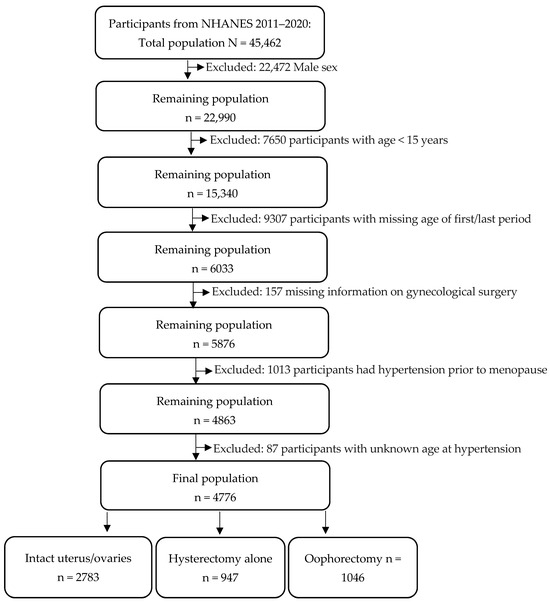
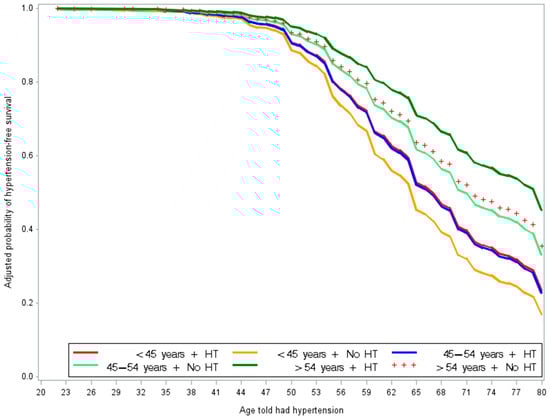
To improve shared decision-making about the potential risks and benefits of hormone therapy (HT), it is crucial to understand the joint effects of menopausal age and HT use on hypertension onset. This study examines the combined and individual effects of age at menopause and HT on hypertension onset in U.S. women based on their hysterectomy and oophorectomy history. This population-based, cross-sectional study included 4776 postmenopausal women with and without hysterectomy and oophorectomy history from the 2011–2020 National Health and Nutrition Examination Survey (NHANES). Age at hypertension onset was defined as the time scale at which a respondent was diagnosed with hypertension following the menopause onset. The weighted prevalence of hypertension was 40.0% (95% CI 38.2–41.8%) overall, highest in those who had an oophorectomy with or without hysterectomy (51.6%), followed by those with hysterectomy alone (45.3%), then in those with an intact uterus and ovaries (33.7%), p < 0.0001. Among women with an intact uterus and ovaries, those who experienced menopause before age 45 and used HT had a comparable risk of hypertension (aHR = 1.34, 95% CI: 0.81–2.22) to women who experienced menopause between ages 45 and 54 and did not use HT. Conversely, women who experienced menopause before age 45 and did not use HT showed a significantly increased risk of hypertension (aHR = 1.68, 95% CI: 1.27–2.22). The findings suggest that the absence of ovaries, with or without a uterus, HT use, and age at menopause are associated with the likelihood of hypertension development. This study highlights the need for personalized management and decision-making to reduce the risk of hypertension and cardiovascular disease in peri- and postmenopausal women.
Full article

Figure 1
Highly Accessed Articles
Latest Books
E-Mail Alert
News
Topics
Topic in
Clinics and Practice, Medicina, Nutrients, Women
Maternal Nutrition from Preconception, Through Pregnancy and Lactation
Topic Editors: Themistoklis Dagklis, Panos J. AntsaklisDeadline: 31 July 2026
Conferences
Special Issues
Special Issue in
Women
Breast Cancer: Causes and Prevention
Guest Editor: Ronald BrownDeadline: 30 October 2026
Special Issue in
Women
Women’s Mental Health—in Honor of Prof. Mary Seeman
Guest Editors: Alexandre González-Rodríguez, Susana OchoaDeadline: 30 December 2026